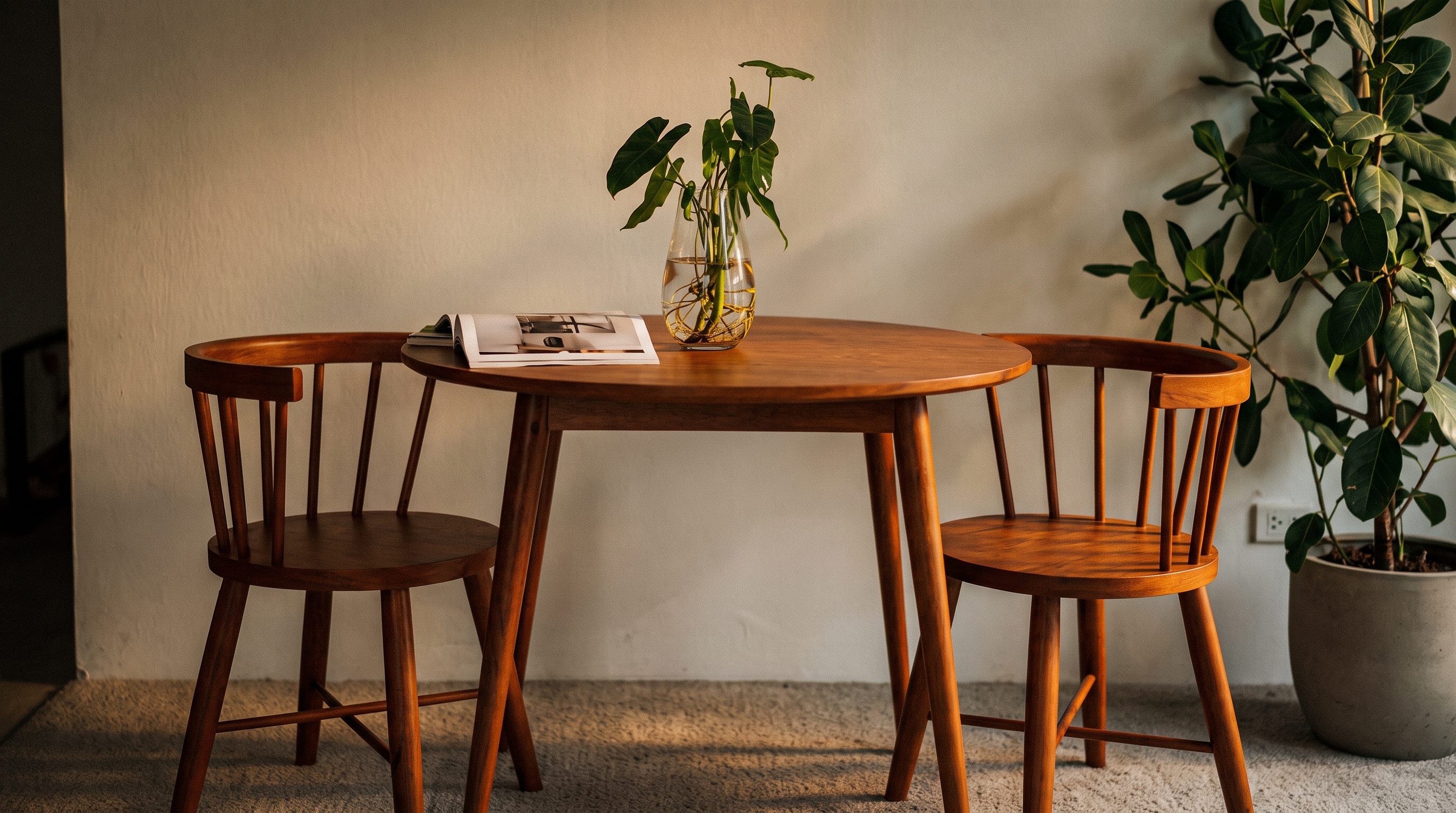
Great interiors are built, not bought. The difference between a room that feels alive and one that feels staged lies not in the budget, but in the intentionality of each decision.
Start with Anchoring Pieces
Every room needs one or two "anchor" pieces — furniture that is large, visually strong and permanent enough to define the room's personality. This might be a substantial dining table in walnut, a mirror with an architectural frame, or a sofa in an unexpected colour. Everything else in the room should respond to these anchors, not compete with them.
The Role of Scale
More rooms are ruined by furniture that is too small than by furniture that is too large. A rug that barely peeks under the sofa, a dining table where the chairs sit too close together, a bedside lamp that is swallowed by the ceiling height — these are the silent errors that make a room feel unresolved. When in doubt, go larger.
Texture and Light
Character comes from texture and light working together. A room that is entirely smooth and evenly lit will always feel flat. Introduce roughness: a linen curtain, a woven rug, a rough-grain wood surface. Let light fall at angles, from multiple sources at varying heights.
Restraint over Clutter
The most beautiful rooms tend to be the least cluttered. Every object you remove reveals the quality of what remains. Curate relentlessly. Give each piece room to breathe.